Sustainable Automation Solutions for Australian Businesses


Understanding Sustainable Automation
As the world continues to prioritize sustainability, Australian businesses are increasingly turning to sustainable automation solutions to enhance efficiency and reduce environmental impact. Automation is not just about replacing human labor with machines; it's about designing systems that can operate sustainably within our ecosystem.

The Benefits of Sustainable Automation
Embracing sustainable automation offers several advantages. Firstly, it reduces operational costs through energy-efficient systems. Secondly, it minimizes waste by optimizing resource usage. Lastly, it enhances compliance with environmental regulations, which is becoming increasingly important for businesses operating in Australia.
Key Technologies in Sustainable Automation
Several technologies are driving the adoption of sustainable automation solutions. These include:
- AI and Machine Learning: These technologies help in optimizing processes and predicting maintenance needs, reducing waste and downtime.
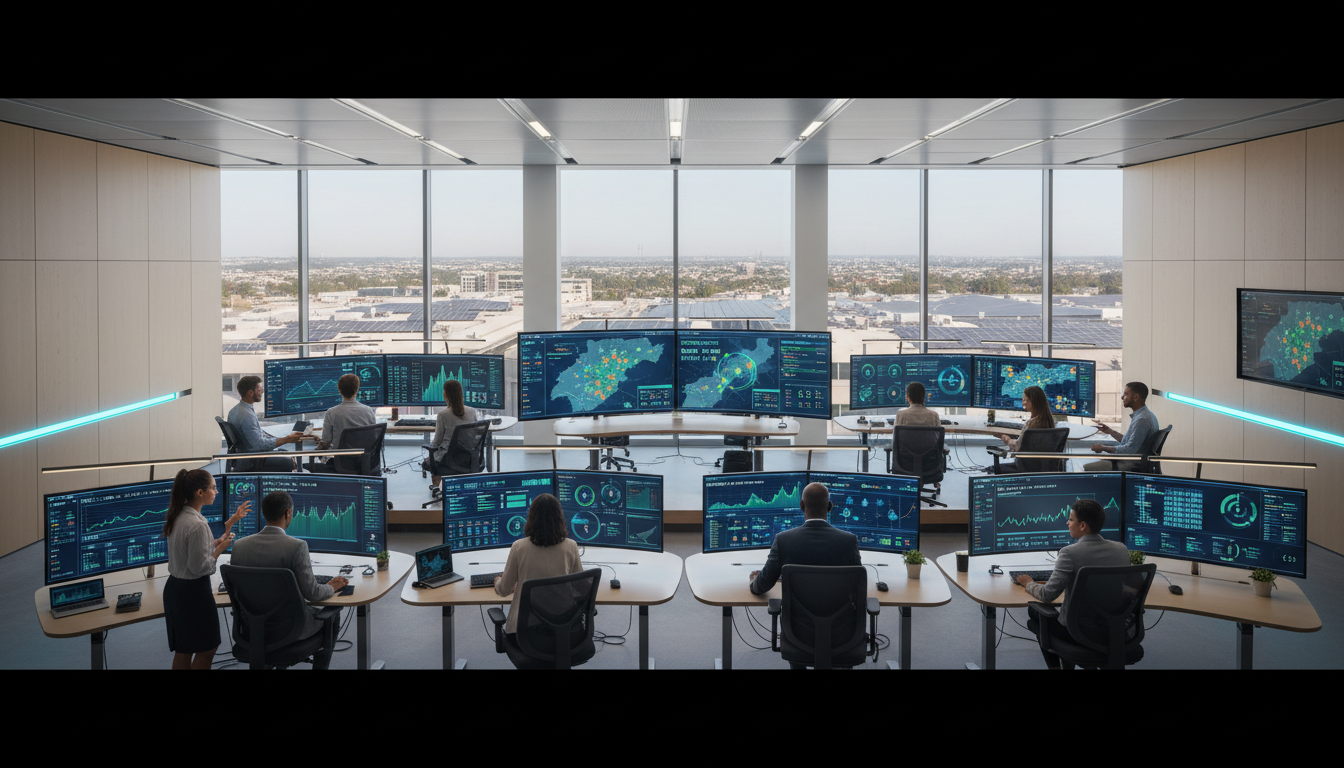
- IoT Devices: They provide real-time data monitoring, helping businesses track energy usage and make informed decisions.
- Renewable Energy Integration: Automation systems can be powered by solar or wind energy, significantly reducing carbon footprints.
Implementing Automation Sustainably
For businesses looking to implement sustainable automation, it's crucial to follow a structured approach. Begin by assessing current processes and identifying areas where automation can make a significant impact. Next, choose technologies that align with sustainability goals. Finally, ensure staff are trained to work alongside automated systems, maximizing both human and machine efficiency.
Case Studies: Success Stories from Australia
Several Australian businesses have successfully implemented sustainable automation solutions. For example, a leading manufacturing company integrated IoT sensors into its production line, resulting in a 20% reduction in energy consumption. Another company adopted AI-driven supply chain management, which decreased waste by 15%.

Challenges and Considerations
While the benefits are clear, there are challenges in adopting sustainable automation. Initial costs can be high, and there is often a learning curve associated with new technologies. Businesses must also consider the long-term maintenance of automated systems to ensure they continue to operate sustainably.
The Future of Automation in Australia
The future of automation in Australia looks promising, with increasing investments in sustainable technologies. As more businesses recognize the importance of sustainability, we can expect to see a significant shift towards automated systems designed with the environment in mind.

Conclusion: A Path Forward
Sustainable automation is not just a trend; it is a necessity for businesses aiming to thrive in the modern world. By integrating environmentally friendly technologies, Australian businesses can achieve greater efficiency, reduce costs, and play a pivotal role in protecting the planet.