Precision Agriculture: Enhancing Efficiency with Everse's Robotic Solutions


Introduction to Precision Agriculture
Precision agriculture is revolutionizing the way we approach farming, allowing for more efficient and sustainable practices. By leveraging advanced technologies, farmers can optimize their crop yields while minimizing waste and environmental impact. One of the key players in this field is Everse, a company dedicated to enhancing agricultural efficiency through innovative robotic solutions.
The Role of Robotics in Farming
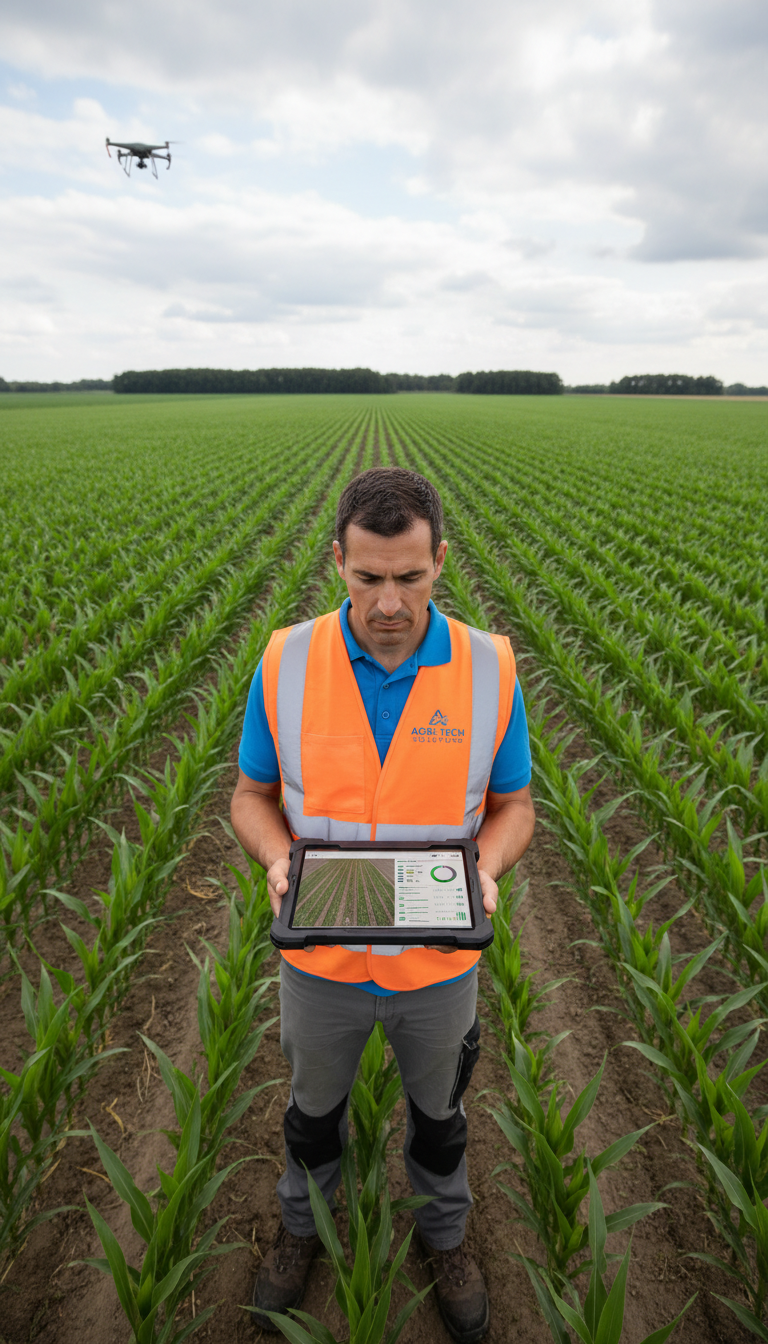
Robotic technology in agriculture is not just a futuristic concept; it's a present-day reality. Everse's robotic solutions are designed to automate various farming tasks, from planting to harvesting. These robots are equipped with sensors and AI capabilities that enable them to perform tasks with unprecedented accuracy, ensuring that each plant receives the optimal amount of resources.
By automating repetitive and labor-intensive tasks, these robots help farmers save time and reduce labor costs. Moreover, they can work tirelessly in conditions that might be challenging for human workers, such as extreme weather or during nighttime.
Enhancing Efficiency with Data-Driven Insights
One of the standout features of Everse's robotic solutions is their ability to gather and analyze data in real-time. This data-driven approach allows farmers to make informed decisions about crop management. For instance, by analyzing soil conditions, moisture levels, and plant health, farmers can apply fertilizers and water more judiciously.

This precise application not only boosts crop yields but also conserves valuable resources, contributing to a more sustainable agricultural practice. By leveraging these insights, farmers can anticipate issues before they become significant problems, further enhancing productivity and crop health.
Environmental Benefits of Robotic Solutions
Everse's robotic solutions also offer significant environmental benefits. By optimizing resource use, these technologies help reduce the carbon footprint of farming operations. For example, precise water management ensures that crops receive adequate irrigation without excess, preventing water waste and runoff.
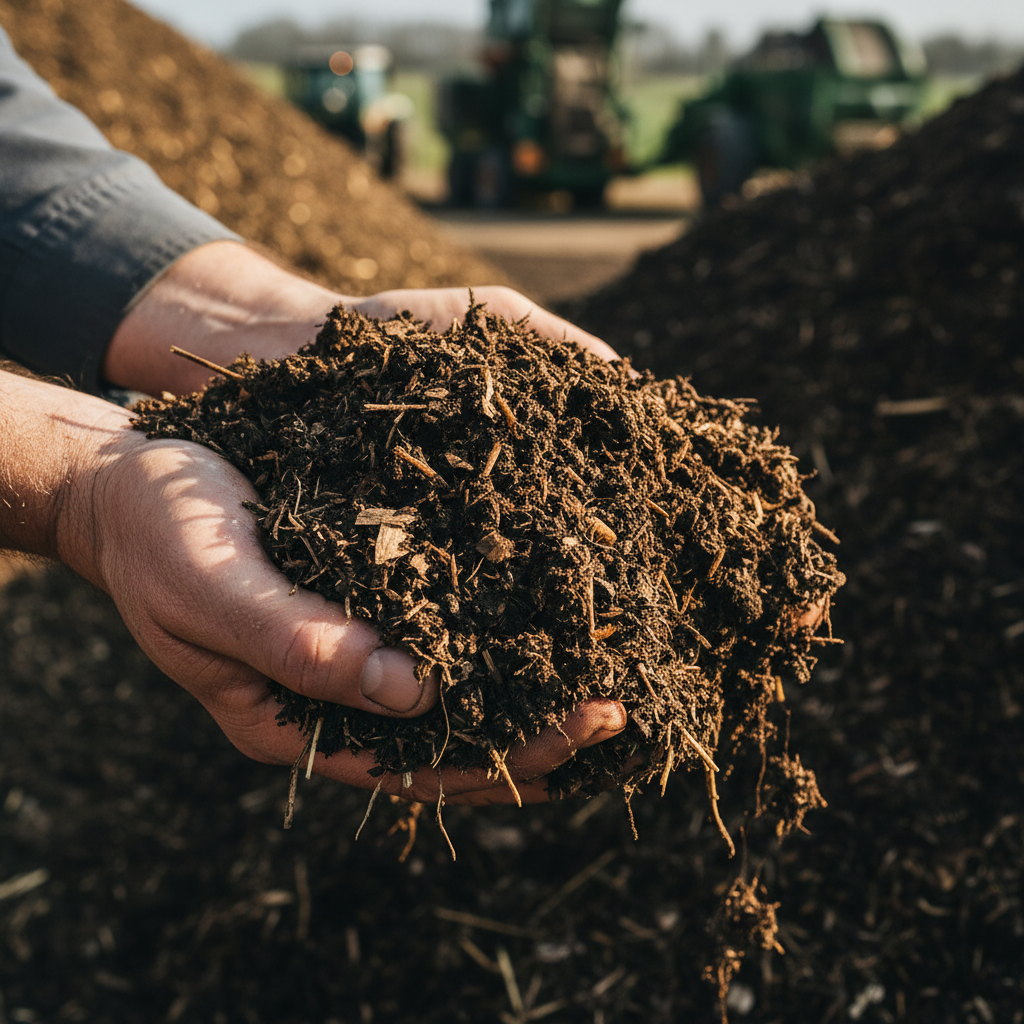
Furthermore, by minimizing the need for chemical fertilizers and pesticides, robotic solutions help maintain soil health and reduce pollution. This approach aligns with the growing demand for environmentally friendly farming practices that safeguard ecosystems and biodiversity.
Challenges and Future Prospects
While the benefits of precision agriculture and robotic solutions are clear, there are challenges that need to be addressed. Initial investment costs can be high, and there is a learning curve associated with adopting these technologies. However, as technology advances and becomes more accessible, these barriers are expected to diminish.
The future of precision agriculture looks promising, with continuous improvements in AI and machine learning paving the way for even more sophisticated solutions. As Everse and other innovators continue to push the boundaries, the potential for increased efficiency and sustainability in agriculture is immense.
Conclusion
Precision agriculture, powered by Everse's robotic solutions, represents a significant leap forward in farming efficiency and sustainability. By embracing these technologies, farmers can enhance productivity, reduce environmental impact, and ensure a better future for agriculture. As we continue to innovate and adapt, the potential for positive change in the agricultural sector is limitless.